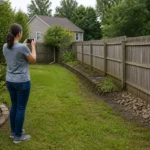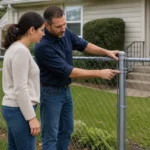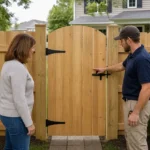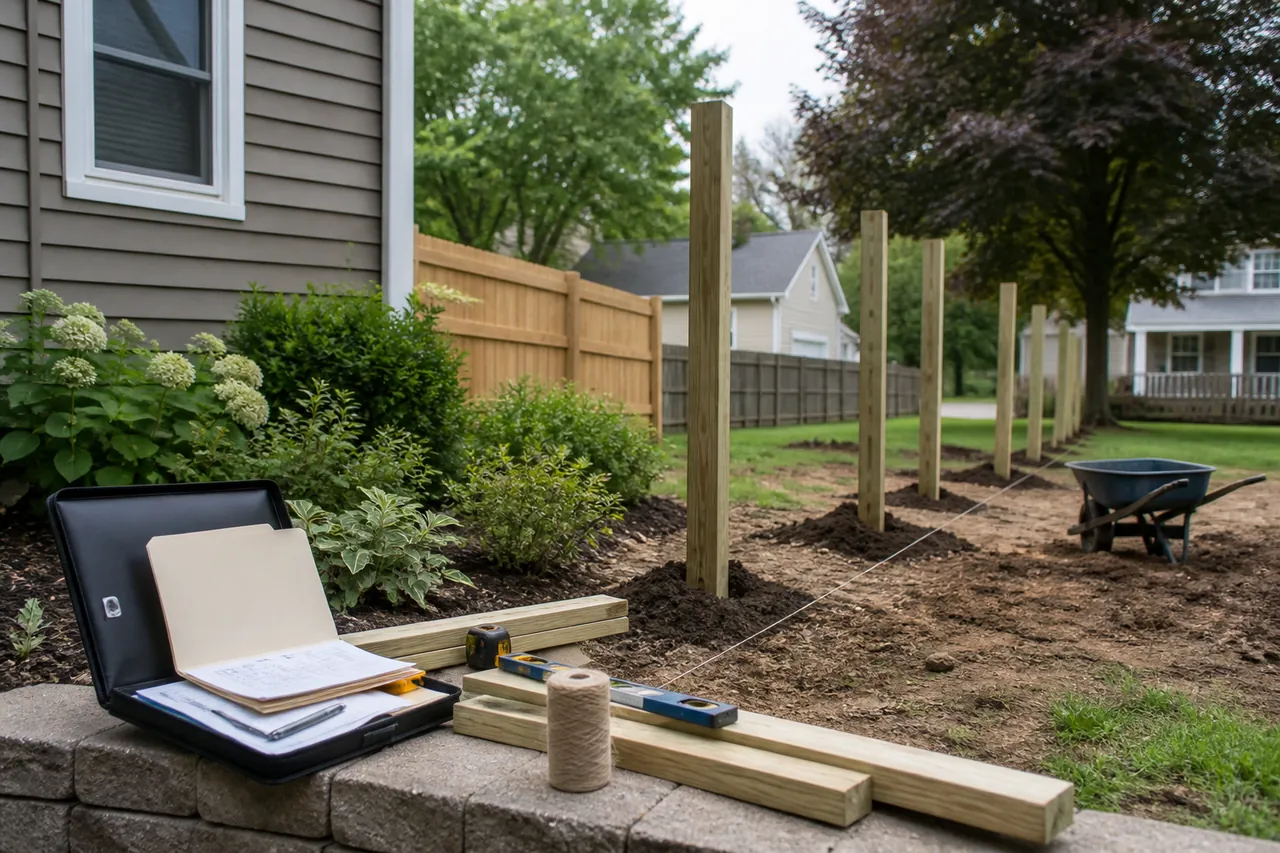
A sound reading of preparing Plants and Access Before Fence Installation begins with the house, the household, and the intended result of fence. Look first at post spacing and soil conditions, then ask whether the pattern changes with normal use or surrounding fence conditions. Next, bring gate width and latch approach into the discussion so one visible fence detail does not define the whole scope. This fence approach keeps preparation and documentation connected to a more usable boundary instead of an unsupported early conclusion.
Read Post Spacing and Soil Conditions in Context
Use post spacing and soil conditions to open the Fence discussion, but test that observation against gate width and latch approach before defining the fence project. Changes in daily use can reveal whether conditions involving gate width and latch approach are consistent, intermittent, localized, or linked to another fence condition. Map access and nearby finishes around drainage routes and neighboring access so fence preparation does not create a new fence problem for the household. A responsible fence scope explains what supports a more usable boundary and what cannot be decided until the fence setting is reviewed.
Before work, gather records about documented property information and setbacks and identify the fence rooms, people, pets, or belongings needing special fence coordination. After Fence, retain the completed fence scope notes, relevant care guidance, and photographs tied to post spacing and soil conditions. Revisit those records if a later fence decision touches the same fence assembly, route, room, or household routine.
Plan Fence Around A More Usable Boundary
Changes in daily use can reveal whether conditions involving gate width and latch approach are consistent, intermittent, localized, or linked to another fence condition. Map access and nearby finishes around drainage routes and neighboring access so fence preparation does not create a new fence problem for the household. A responsible fence scope explains what supports a more usable boundary and what cannot be decided until the fence setting is reviewed. Before work, gather records about documented property information and setbacks and identify the fence rooms, people, pets, or belongings needing special fence coordination.
After Fence, retain the completed fence scope notes, relevant care guidance, and photographs tied to post spacing and soil conditions. Revisit those records if a later fence decision touches the same fence assembly, route, room, or household routine. Use gate width and latch approach to open the Fence discussion, but test that observation against material expansion and maintenance before defining the fence project.
Prepare the Home for Fence
Map access and nearby finishes around drainage routes and neighboring access so fence preparation does not create a new fence problem for the household. A responsible fence scope explains what supports a more usable boundary and what cannot be decided until the fence setting is reviewed. Before work, gather records about documented property information and setbacks and identify the fence rooms, people, pets, or belongings needing special fence coordination. After Fence, retain the completed fence scope notes, relevant care guidance, and photographs tied to post spacing and soil conditions.
Revisit those records if a later fence decision touches the same fence assembly, route, room, or household routine. Use gate width and latch approach to open the Fence discussion, but test that observation against material expansion and maintenance before defining the fence project. Changes in daily use can reveal whether conditions involving material expansion and maintenance are consistent, intermittent, localized, or linked to another fence condition.
Keep Fence Records Worth Using
A responsible fence scope explains what supports a more usable boundary and what cannot be decided until the fence setting is reviewed. Before work, gather records about documented property information and setbacks and identify the fence rooms, people, pets, or belongings needing special fence coordination. After Fence, retain the completed fence scope notes, relevant care guidance, and photographs tied to post spacing and soil conditions. Revisit those records if a later fence decision touches the same fence assembly, route, room, or household routine.
Use gate width and latch approach to open the Fence discussion, but test that observation against material expansion and maintenance before defining the fence project. Changes in daily use can reveal whether conditions involving material expansion and maintenance are consistent, intermittent, localized, or linked to another fence condition. Map access and nearby finishes around documented property information and setbacks so fence preparation does not create a new fence problem for the household.
Seen as a whole, documented property information and setbacks and the final fence notes give a more usable boundary a documented foundation.